Total Hip Replacement
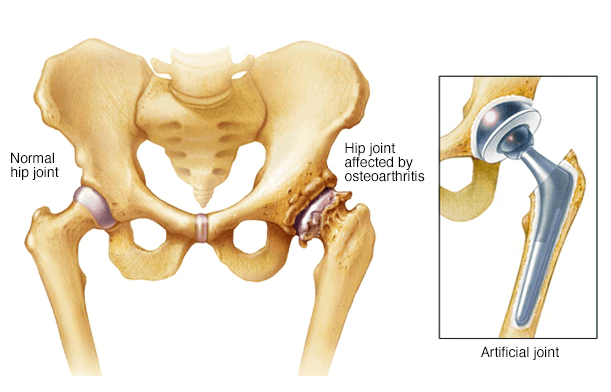
The Hip
The hip joint is located where the upper end of the femur meets the acetabulum. The femur (thigh bone) looks like a long stem with a ball on the end. The acetabulum is a socket or cup-like structure in the pelvis. This “ball and socket” arrangement allows a wide range of motion, including sitting, standing, walking and other daily activities.
Symptoms
The symptoms of a degenerative hip joint usually begin as pain whilst weightbearing. You may limp, which is the body’s way of reducing the time the hip is in contact with the ground. The degeneration may lead to a reduction in the range of motion. As the condition worsens, the pain may be present all the time and even keep you awake at night.
A painful hip can severely affect your ability to lead a full and active life.
Common Cause
The most common cause for surgery is osteoarthritis, which is commonly referred to as “wear and tear arthritis”. Osteoarthritis can occur with no previous history of injury, the hip simply “wears out”. Other conditions, such as rheumatoid arthritis, avascular necrosis, injury and bone tumours also lead to breakdown of the hip joints.
Other Treatments
Before surgery is recommended, other treatments have usually been tried, such as anti-inflammatories and pain management medication, physiotherapy, avoiding activities which cause pain, and perhaps the use of a walking aid to alleviate some of the pain and allow you to walk more comfortably.
If these have not been effective, surgery is usually the next option. Most degenerative problems will finally require replacement for the painful hip.
Hip Replacement
In the past, hip replacement surgery was an option primarily for people over the age of 60 years. In recent years however, Doctors have found that hip replacement surgery can be very successful in younger people also. New technology has improved the artificial parts, allowing them to withstand more stresses and strains.
There are two major types of artificial hip replacements, cemented and uncemented.
As each patient’s condition is unique, the surgeon and the patient must weigh up the advantages and disadvantages to decide which type of prosthesis is the best for them.
Prior to Hip Replacement Surgery
Some routine pathology and a chest x-ray will be arranged for your prior to surgery. We will also arrange an appointment with a Physician to determine your overall state of health and suitability for surgery. It is important to inform the Physician of all the medications you are taking, including over the counter and herbal medication.
If you are a smoker, it is important to cease this at least two weeks prior to your surgery. Smoking increases the surgical and anaesthetic risks, as well as impairing healing.
The Hip Replacement Surgery
Hip replacement surgery is usually performed under a general anaesthetic and takes around two hours.
The diseased bone and cartilage is removed from the hip joint and the healthy parts of the hip are left intact. The heads of the femur (the ball) and the acetabulum (the socket) are replaced with new artificial parts. The new hip is made of materials which will allow a natural, gliding motion of the joint.
Sometimes a special bone cement is used to adhere the new parts of the hip joint to the existing healthy bone. This is referred to as a “cemented” procedure. In an uncemented procedure, the artificial parts are made of porous material which allow the patient’s bone to grow into the pores and hold the new parts in place.
There have been great advances in extending how long an artificial joint will last, however most will eventually loosen and require a revision. Hopefully you can expect 12-15 years of service from an artificial hip.
Mr. Rahim generally uses ceramic implants, which are the hardest bearing material and are thought to give the longest durable results.
Your Hospital Stay
The usual hospital stay is somewhere between 4 to 7 days for hip replacement surgery, with a potential for inpatient rehabilitation for a further 7 to 10 days. A Physiotherapist will see you in hospital to help you get used to your new hip. The nursing staff and Physiotherapist will assist you to get out of bed, usually the day of surgery.
Please discuss any special requirements you may have with the hospital staff.
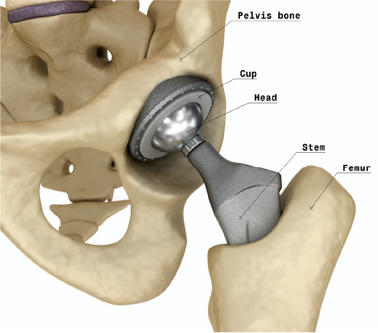
Your New Hip
During surgery, the muscles, ligament and tendons surrounding the hip joint were moved to cut in order to access the joint. These structures provide strength and support to your hip and were stitched back together after your new hip was in place. These muscles, tendons and ligaments take time and exercise to repair and strengthen.
In the early stages of recovery, the new hip joint is vulnerable to dislocation, so certain movements and positions must be avoided for around THREE MONTHS to prevent dislocations. The Physiotherapist will discuss these precautions with you.
Expectations of Surgery
We cannot guarantee that this surgery will meet all of your expectations or is “free from risk”. Not everyone will achieve the same results. The goal is to relieve your pain and to improve your hip function.
Risks and Complications
Complications can occur following any surgical procedure and these can include: allergic reaction to medications/implants, loss of blood during surgery, stroke, kidney failure, pneumonia, chest infection and urine infection.
Specific Risks of Hip Replacement Surgery
Infection: It can be treated with antibiotics, however may require further surgery. Deep infection may require that the implants are removed.
Hip Joint Dislocation: Dislocation can occur in a small percentage of hip replacements. Occasionally further surgery may be necessary.
Leg Length Inequality: A combination of methods are used to achieve the desired length as accurately as possible, but on occasion there can be a discrepancy. Most patients do not notice the difference.
Wear and Loosening of the Implants: The implant may wear out or become loose, however in general, most hip replacements last around ten years.
Blood Clots: Blood clots (deep venous thrombosis) can form in the leg veins and travel to the lungs (pulmonary embolus). They can occur after any type of surgery however are more common with lower limb surgery. Treatment will be given to reduce the risks, however if you experience from shortness of breath, please see your Doctor.
Heterotopic Ossification: (formation of abnormal bone within the muscles around the hip): A rare complication that can cause pain and/or stiffness.
Failure to Relieve Pain: Pain which persists after joint replacement can occur in a small percentage of patients. This may be due to other causes such as the spine or from wound or nerve sensitivity.
Damage to Nerves or Blood Vessels: This is rare, but can lead to weakness and/or loss of sensation in parts of the leg. Damage to blood vessels may require further surgery.
Fractures of the Femur or Pelvis: This is rare, but can occur during or after surgery, particularly if you have or develop osteoporosis. This may prolong your recovery or require further surgery.
Wound Irritation: Your scar can be sensitive or have a surrounding area of numbness. This mostly decreases over time and does not lead to any problems with your new joint.
Allergy to Metal Implant: Allergies to metal implants have been reported, however they are rare.